Description
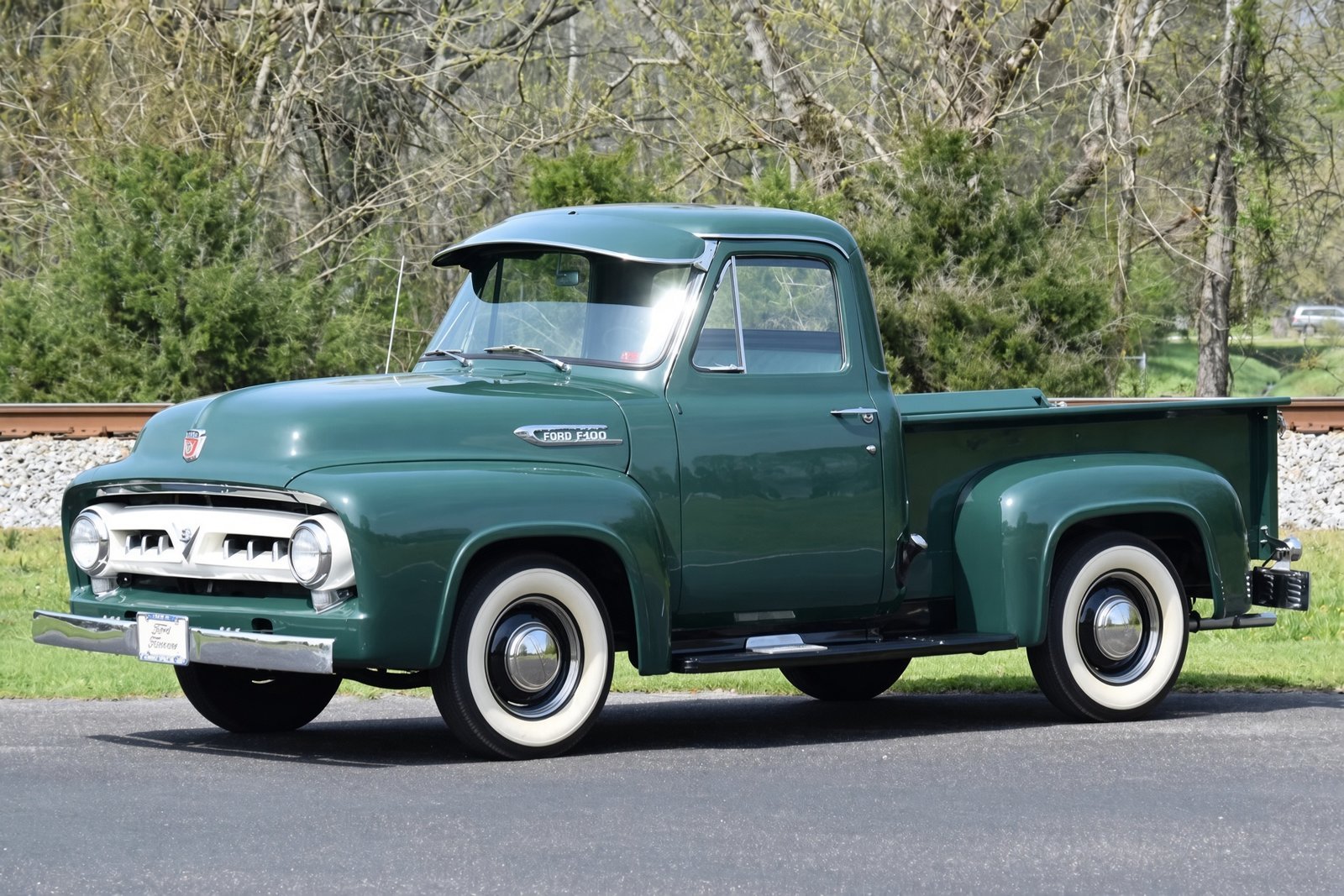
1953 Ford F-100 Windscreen Sun Visor
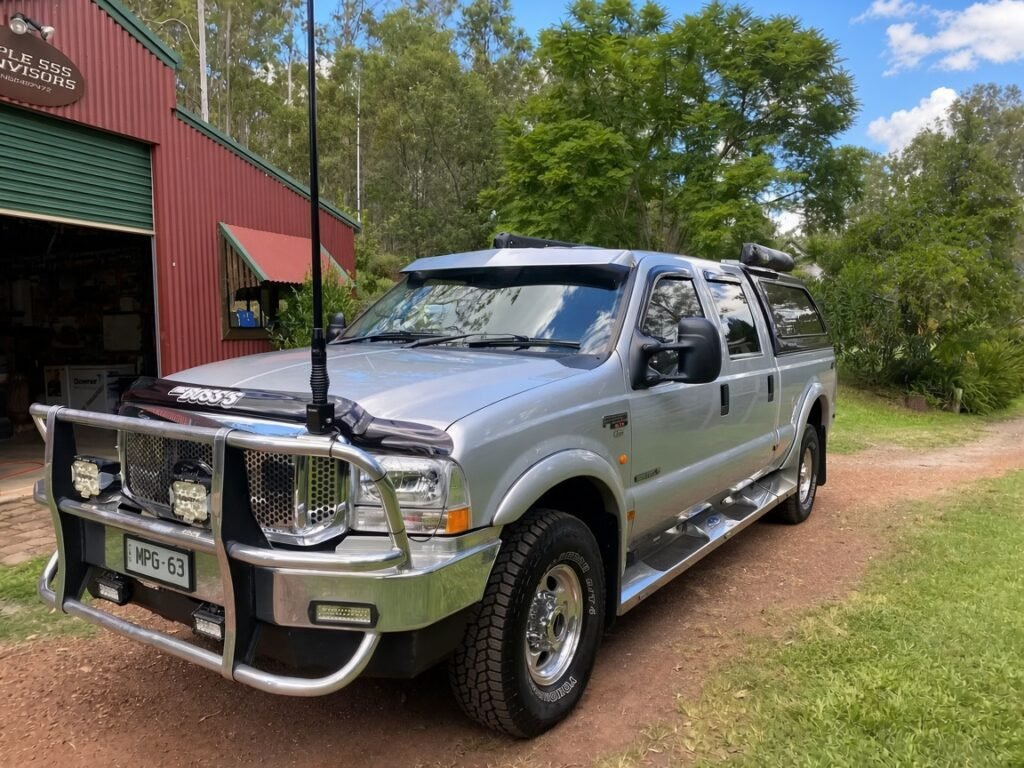
1953 Ford F-100 Windscreen sun visors,Give your 1953 Ford F-100 the unmistakable look of a classic American pickup with a purpose-built exterior windscreen sun visor. Designed for vintage truck restorations, custom builds and period-inspired F-100 projects, an exterior visor adds character to the roofline while helping reduce direct sunlight entering through the windscreen.
For Australian F-100 owners, a quality external visor can be an excellent finishing touch for a restored, original-style or customised classic truck. Whether your 1953 Ford F-100 is being prepared for weekend cruising, classic truck shows, touring or a full restoration, the right visor can dramatically change the appearance of the cab.
1953 Ford F-100 Sun Visor Australia
The 1953 Ford F-100 is an iconic American pickup and remains popular with Australian classic-car enthusiasts, restorers and custom truck builders.
Exterior windscreen visors were an important styling feature on many classic American trucks and continue to be popular on restoration and customisation projects today.
A properly fitted visor can give the F-100 a lower, more purposeful roofline while adding a distinctive period-correct appearance.
For Australian restorers, this type of accessory can work particularly well with traditional paint colours, steel wheels, polished trim, period interiors and other vintage truck components.
Exterior Windscreen Visor for the 1953 F-100
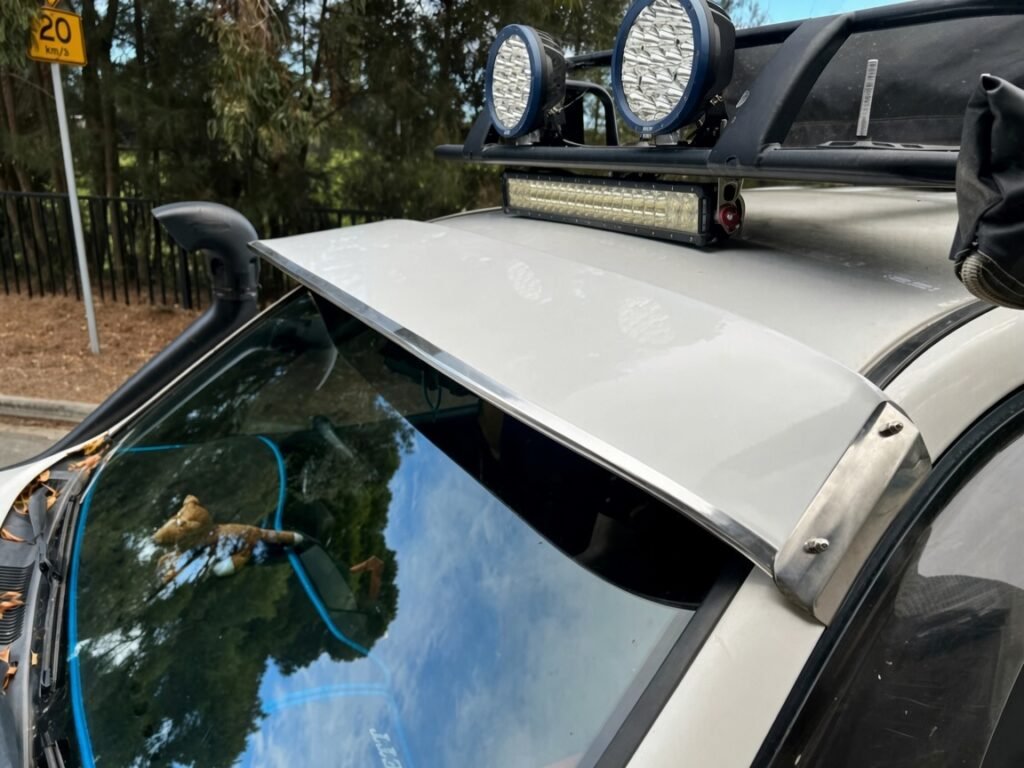
Unlike an interior sunshade, an exterior windscreen visor is mounted above the windscreen and extends across the upper portion of the cab.
This position allows the visor to provide shade from above while becoming an integrated visual feature of the truck.
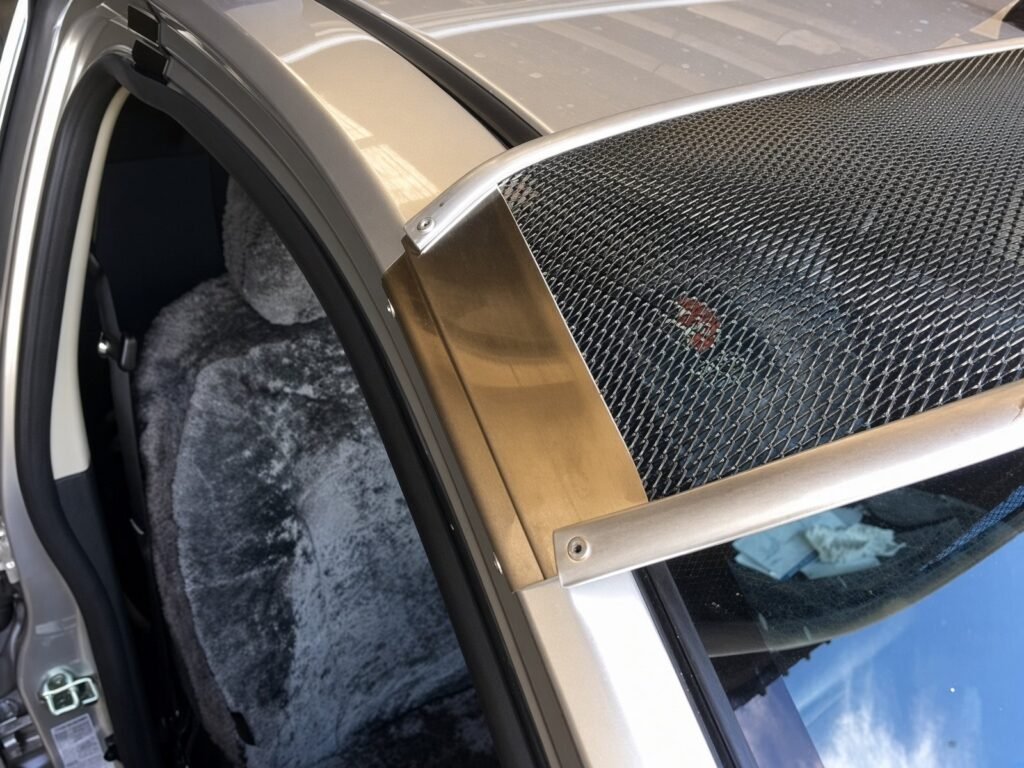
The visor is mounted around the area above the windscreen and along the drip rail, using dedicated mounting brackets.
Because classic trucks can differ after decades of restoration, repair and modification, careful test fitting is important before permanently installing the visor.
Designed for Classic Ford F-100 Builds
A 1953 F-100 may have undergone numerous modifications during its lifetime. Cab repairs, repainting, previous visor installations and replacement panels can all affect the exact mounting points and alignment.
For that reason, installation should be approached as part of the restoration process rather than treated like a simple modern bolt-on accessory.
Before drilling or permanently fixing anything, the visor should be positioned on the truck and checked carefully from multiple angles.
Pay particular attention to:
- Windscreen alignment
- Roofline clearance
- Drip rail condition
- Bracket positioning
- Corner gaps
- Cab panel condition
- Existing mounting holes
- Paintwork clearance
Installation Guide
Installing an exterior visor on a classic truck is generally a job that should be approached carefully rather than rushed.
Allow an afternoon for installation, particularly if you’re working on a freshly restored F-100 and want to protect the paintwork.
1. Check for Existing Factory Holes
Begin by inspecting the area above the windscreen and along the drip rail.
Some trucks may retain factory or previous mounting holes from an earlier visor installation. Others may never have had a visor fitted.
If your 1953 F-100 does not have suitable mounting holes, new holes may need to be drilled.
Before drilling, carefully confirm the bracket position and ensure the visor is correctly aligned.
2. Dry-Fit the Visor
Always dry-fit the visor before painting or applying the final finish.
Position the bare visor on the truck and check the alignment across the entire roofline.
Look at the visor from the front, side and driver’s position. Check that both corners sit evenly and that the visor follows the shape of the cab.
This is the ideal stage to make bracket adjustments.
It is much easier to correct alignment before the visor has been painted or the truck has been permanently assembled.
3. Protect the Restoration Finish
If your F-100 has recently been painted, take additional care during installation.
Use suitable protective materials between tools, brackets and finished panels wherever necessary.
Avoid dragging metal brackets across painted surfaces and ensure all contact points are properly positioned before tightening hardware.
For restored classic trucks, preventing scratches and chips during installation is just as important as achieving the correct final alignment.
4. Paint and Cure the Visor Properly
If the visor is being painted to match the F-100, allow the coating to fully cure before installation.
A fully cured finish is much less likely to be damaged when brackets and fasteners are fitted.
Rushing the installation can result in fingerprints, marks or damage to a fresh coating.
For a high-quality restoration, allow sufficient curing time according to the paint manufacturer’s recommendations.
5. Seal New Mounting Holes
If new holes are required, sealing them correctly is extremely important on a classic truck.
The roof and drip-rail areas can be exposed to rainwater, condensation and moisture. An unsealed hole can allow water into areas that are difficult to inspect.
Over time, trapped moisture can contribute to corrosion.
Use an appropriate automotive seam sealer or suitable butyl-backed fastening solution rather than relying on ordinary silicone.
The goal is to create a durable weather-resistant seal around every new penetration.
6. Tighten the Brackets Evenly
Once the visor is correctly aligned, tighten the mounting hardware progressively.
Work from side to side rather than completely tightening one side first.
This helps keep the visor aligned and reduces the possibility of twisting or placing unnecessary stress on the shell or brackets.
For any installation using threaded fasteners, follow the hardware manufacturer’s recommendations for tightening.
A Period-Correct Look for Your F-100
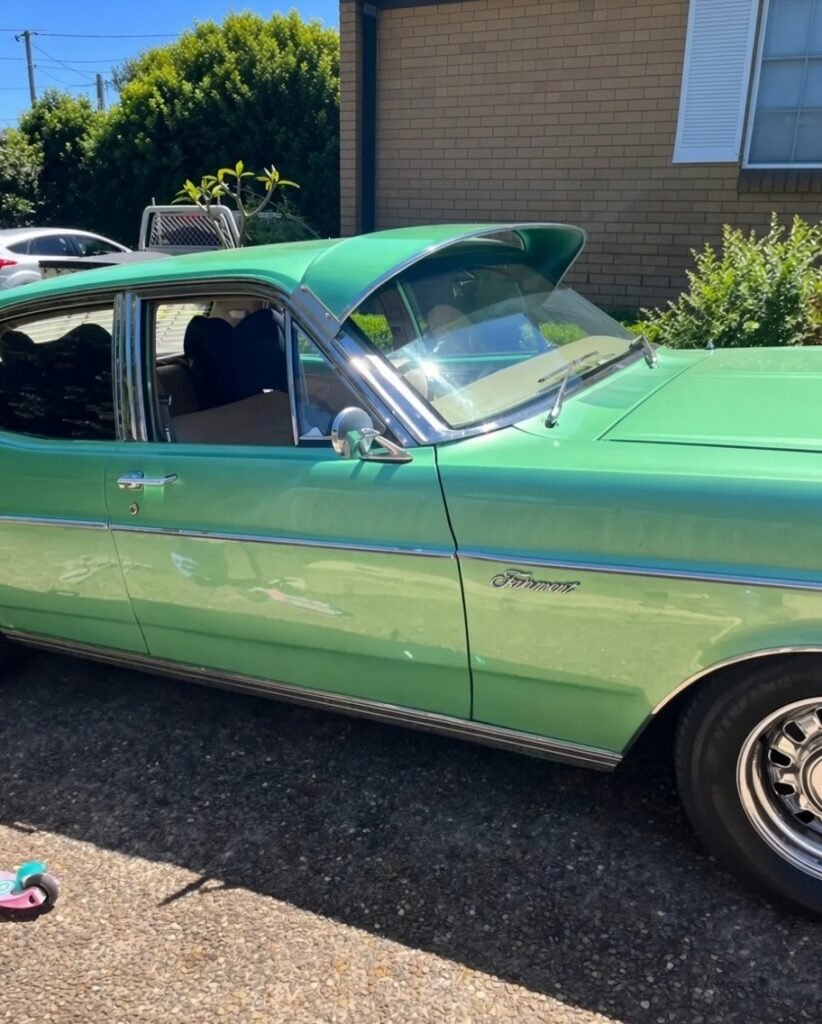
An exterior sun visor can completely change the character of a classic pickup.
On a 1953 Ford F-100, the visor complements the truck’s rounded cab lines and can reinforce a traditional custom-truck appearance.
It can work particularly well alongside:
- Classic steel wheels
- Whitewall tyres
- Vintage-style mirrors
- Chrome trim
- Traditional paintwork
- Period-inspired interiors
- Lowered suspension
- Classic grilles
- Custom exhaust systems
- Restored original components
Whether your truck is an authentic restoration or a modernised classic, a well-fitted visor can become one of the most noticeable exterior features.
Australian Classic Truck Restoration
Classic American trucks have a strong following in Australia, with F-100s appearing at car shows, club events, weekend cruises and private collections across the country.
Australian owners often combine traditional American styling with local engineering, restoration and customisation practices.
A 1953 Ford F-100 exterior windscreen visor can therefore be used on a wide range of projects, from highly original restorations to custom-built street trucks.
If the vehicle has been converted, repaired or modified over the years, always inspect the actual cab and mounting area rather than assuming that every truck will have identical mounting points.
Considerations for Australian Owners
Before installing a visor, inspect the condition of the F-100’s roof and drip rail.
Older vehicles can have previous repairs, filler, rust treatment or replacement panels in these areas.
Check carefully for:
- Surface corrosion
- Previous drilled holes
- Cracked or damaged metal
- Old sealant
- Previous repairs
- Paint thickness
- Drip-rail condition
Addressing corrosion or structural issues before installing the visor is preferable to covering them with the new accessory.
1953 Ford F-100 Sun Visor for Restoration Projects
Whether you’re restoring a 1953 Ford F-100 in Australia or building a custom classic pickup, an exterior windscreen visor provides both visual impact and practical shading.
It is particularly suited to owners who want to retain the traditional appearance associated with vintage American trucks.
The visor can be finished to complement the truck’s existing colour scheme or incorporated into a contrasting custom design.
Important Fitment Note
Classic vehicles can vary considerably depending on their restoration history.
Before drilling, painting or permanently installing the visor, carefully test-fit the complete assembly and confirm that the brackets, roofline and windscreen area align correctly with your particular F-100.
If your truck has been modified, converted or extensively restored, additional adjustment may be required.
1953 Ford F-100 Windscreen Sun Visor Australia
For Australian classic-truck enthusiasts, a 1953 Ford F-100 windscreen sun visor is an effective way to add period-inspired styling to one of the most recognisable American pickups.
From restored original trucks to custom Australian F-100 builds, an exterior visor can provide a distinctive finishing detail while helping shade the upper portion of the windscreen.
With careful dry fitting, proper sealing and evenly tightened mounting hardware, the installation can become a clean and integrated part of the truck’s restoration.
If you’re building a classic F-100 for Australian roads, car shows, weekend cruising or a long-term restoration project, an exterior windscreen visor can be the finishing touch that brings the cab’s traditional styling together.
Product Highlights
- Designed for 1953 Ford F-100
- Exterior windscreen sun visor
- Classic American truck styling
- Suitable for restoration and custom builds
- Mounts around the windscreen/drip-rail area
- Suitable for Australian classic-truck projects
- Ideal for F-100 restorations and custom trucks
- Dry-fit recommended before final finishing
- New mounting holes should be properly sealed
- Professional installation recommended where required
1953 Ford F100 sun visor Australia, 1953 Ford F100 windscreen sun visor, Ford F100 sun visor Australia, Ford F100 exterior sun visor, 1953 F100 visor for sale, Ford F100 visor for sale Australia, buy Ford F100 sun visor, Ford F100 windscre100 truck accessories Australia, 1953 Ford truck parts Australia, classic American truck parts Australia, Ford F100 custom truck parts, F100 restoration accessories, F100 parts for sale Australia, Ford F100 accessories Australia, vintage truck restoration Australia, classic truck restoration parts Australia, Ford F100 car show parts, F100 custom restoration Australia, Ford F100 visor installation, F100 sun visor mounting, Ford F100 roof visor Australia

Reviews
There are no reviews yet.